
Choosing the right roofing material is one of the most important decisions we make as homeowners. In the Chicagoland area, that decision carries even more weight. Between freezing winters, heavy snowfall, spring storms, and humid summers, your roof needs to withstand a wide range of conditions year after year. The wrong choice can lead to frequent repairs, higher energy bills, and premature replacement.
That is why understanding the differences between asphalt, metal, and synthetic roofing is so important. Each material offers unique advantages in terms of durability, cost, and appearance. When you know what sets them apart, you can confidently choose the best roofing material for homes in our region and make a smart, long-term investment in your property. And when you are ready to explore your options further, our team at C3 Construction offers expert residential roofing services tailored to Chicagoland homes.
Durability & Lifespan: How Long Will Your Roof Last?
When evaluating roofing materials, durability is often the first concern. Chicago’s weather can be unforgiving, so your roof must handle temperature swings, ice dams, and high winds.
- Asphalt Roofing: Asphalt shingles are widely used for a reason. They provide solid protection at a reasonable price. Most asphalt roofs last between 15 and 30 years, depending on the quality of the shingles and installation. However, extreme weather can shorten that lifespan, especially if maintenance is overlooked.
- Metal Roofing: Metal roofs are known for their impressive durability. They can last 40 to 70 years or more, making them one of the longest-lasting options available. Metal stands up well to snow and ice, shedding precipitation easily and resisting cracking or warping.
- Synthetic Roofing: Synthetic roofing materials are engineered to mimic slate, wood shake, or tile while offering enhanced durability. Many synthetic options last over 50 years and resist impact, moisture, and UV damage better than traditional materials.
If longevity is your top priority, metal and synthetic roofing tend to outperform asphalt, especially in frigid climates.
Cost & Overall Value: What Are You Really Paying For?
A roofing material cost comparison helps homeowners understand not just the upfront price, but the long-term value.
- Asphalt Roofing: Asphalt is typically the most budget-friendly option upfront. It offers a lower installation cost, making it appealing for homeowners who need a quick, cost-effective solution. However, because it may need to be replaced sooner, long-term costs can add up.
- Metal Roofing: Metal roofing has a higher initial cost, but it often pays off over time. With fewer repairs and a longer lifespan, the cost per year of ownership can be lower than that of asphalt. Metal and synthetic are often similarly priced and both tend to serve as more of a permanent roofing solution.
- Synthetic Roofing: Synthetic materials fall in a similar price range to metal, sitting in the mid to high range in terms of upfront cost. They provide strong durability and a premium look, which can increase home value, and like metal, are considered more of a long term permanent roofing solution.
When considering the best roofing material for homes, it is important to weigh both initial investment and long-term savings. If your current roof is nearing the end of its life, it may be time to consider a full roof replacement to maximize your investment.
Maintenance Requirements: How Much Upkeep Is Needed?
No homeowner wants to deal with constant repairs. Maintenance plays a big role in your overall satisfaction with your roof.
- Asphalt Roofing: Asphalt roofs require regular inspections, especially after storms. Shingles can loosen, crack, or curl over time. Small repairs are common but manageable when addressed early.
- Metal Roofing: Metal roofs are relatively low-maintenance. They resist mold, insects, and rot. Occasional inspections are still important, but repairs are less frequent compared to asphalt.
- Synthetic Roofing: Synthetic materials are designed for durability with virtually no maintenance required. They resist moisture, impact, and weather-related wear, with upkeep typically limited to the occasional inspection.
For homeowners looking to reduce ongoing maintenance, metal and synthetic roofing offer clear advantages.
Energy Efficiency: Keeping Your Home Comfortable Year-Round
Energy efficiency is especially important in a climate with both hot summers and cold winters.
- Asphalt Roofing: Standard asphalt shingles absorb heat, which can increase cooling costs during the summer. Some modern options are designed with reflective properties, but traditional asphalt is less energy efficient than other materials.
- Metal Roofing: Metal roofs reflect sunlight, helping to reduce heat absorption. This can lower cooling costs and improve indoor comfort during warmer months.
- Synthetic Roofing: Many synthetic materials are designed with energy efficiency in mind. Depending on the product, they can provide good insulation and reflectivity, contributing to more stable indoor temperatures.
If energy savings are a priority, metal roofing often leads the way, with synthetic options also offering strong performance.
Curb Appeal: How Will Your Roof Look?
Your roof plays a major role in your home’s overall appearance. Choosing the right material can enhance curb appeal and even boost property value.
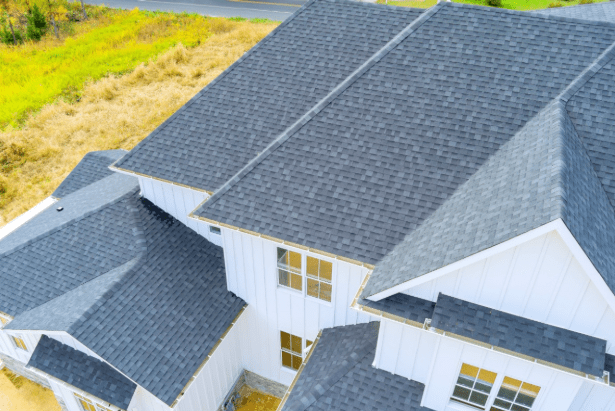
- Asphalt Roofing: Asphalt shingles come in a variety of colors and styles, making them versatile for many home designs. While they offer a classic look, they may not stand out as much as premium materials.
- Metal Roofing: Metal roofs provide a sleek, modern appearance and are available in both panel and shingle-style formats, with a variety of finishes and colors allowing homeowners to create a bold or subtle look.
- Synthetic Roofing: Synthetic materials excel in aesthetics. They can replicate the appearance of high-end materials like slate or wood shake without the associated maintenance. This makes them a popular choice for homeowners seeking a distinctive look.
When comparing asphalt, metal, and synthetic roofing, synthetic options often offer the most design flexibility.
Which Roofing Material Is Best for Your Home?
Choosing the best roofing material for homes in Chicagoland depends on your priorities. If you are working within a tighter budget and need a reliable, proven option, asphalt roofing may be the right fit. It provides solid protection and a familiar appearance at a lower upfront cost.
If you are focused on long-term durability, energy efficiency, and minimal maintenance, metal roofing is a strong investment. It performs exceptionally well in harsh weather conditions and can last for decades.
If you want a balance of durability, aesthetics, and modern performance, synthetic roofing offers a compelling option. It delivers the look of premium materials with enhanced resilience and lower maintenance needs.
Other factors to consider include your home’s architectural style, your long-term plans, and how much value you place on energy savings and curb appeal. Every home is different, and the right choice will reflect your specific goals.
Get Expert Help With Your Roofing Project
Choosing between asphalt, metal, and synthetic roofing does not have to be overwhelming. With the right guidance, you can select a roof that protects your home, enhances its appearance, and delivers lasting value.
If you are considering a new roof or want to explore your options, we are here to help. Contact C3 Construction today to schedule a consultation or request an estimate. We proudly serve homeowners throughout Chicagoland with reliable, long-lasting roofing solutions.