
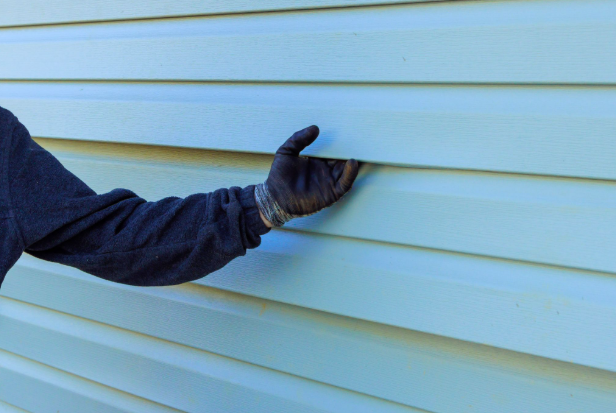
Midwest weather is notoriously unpredictable. From blistering summer heat waves and severe thunderstorms to freezing winter blizzards and relentless springtime humidity, the elements can take a heavy toll on a home’s exterior. Your siding is your home’s first line of defense against these harsh seasonal shifts. However, over time, constant exposure to the Chicago climate wears even the toughest materials down. To protect your home’s structural integrity, maintain your indoor comfort, and preserve your curb appeal, you need to recognize the early warning signs that your siding is failing before a minor flaw turns into a massive, expensive headache.
Knowing when to replace siding can save you thousands of dollars in secondary damages, such as rotted framing or interior mold. If you aren’t sure whether your exterior is still doing its job, here are the top 10 signs you need new siding for your home.
1. Visible Warping, Bulging, or Buckling
When you walk around your property, your siding should look flat, uniform, and secure. If you notice panels that are warping, bulging outward, or buckling under pressure, it is a clear indicator of structural distress. This distortion often occurs when water seeps beneath the panels, causing the underlying wood wrap or insulation to swell. In other cases, poor initial installation causes vinyl to buckle as it expands and contracts with shifting temperatures in the Midwest. Once panels lose their shape, they can no longer provide a tight seal against the elements.
2. Cracking, Chipping, and Splitting
Whether your home features vinyl, wood, or fiber cement, physical damage like cracking, chipping, or deep splitting should never be ignored. Hailstorms, flying yard debris, and extreme temperature fluctuations can cause materials to become brittle and fracture. While a single small crack might only require localized damaged siding repair, widespread cracking leaves your home completely vulnerable to moisture infiltration. Water will inevitably find its way behind those cracks, leading to hidden rot.
3. Frequent Peeling of Paint or Wallpaper Inside the Home
Sometimes, the clearest signs you need new siding actually appear on the inside of your house. If you notice that paint is peeling, wallpaper is bubbling, or drywall is inexplicably soft in certain rooms, it is rarely just an interior cosmetics issue. More often than not, faulty, aging siding is allowing moisture to bypass the moisture barrier and soak directly into your wall cavities.
However, because water flows downward, these interior symptoms can also stem from a failing roof system. It is always wise to investigate whether your home requires an exterior upgrade or a complete roof replacement to fully address the leak. By the time moisture affects your interior walls, the problem has become severe and requires immediate professional attention.
4. Skyrocketing Monthly Energy Bills
Have you noticed your heating and cooling costs steadily climbing, even though your HVAC system is working perfectly and you haven’t changed your daily habits? Your siding, along with its underlying house wrap and insulation, plays a massive role in your home’s thermal envelope. When siding ages, gaps open up, and seams pull apart, allowing drafty air to penetrate your living spaces. A home siding replacement in Crystal Lake, IL can dramatically boost your energy efficiency, keeping your home warmer in the winter and cooler in the summer while lowering your utility bills.
5. Mold, Mildew, and Fungus Growth
Because the Chicagoland region experiences plenty of humidity and rain, a little bit of surface dirt or algae on your north-facing siding is relatively common and can usually be power-washed away. However, if you notice aggressive mold, mildew, or actual fungus growing near the seams or underneath the panels, you have a moisture entrapment problem. This indicates that water is getting trapped behind the exterior barrier and cannot evaporate, creating a perfect breeding ground for organic growth that can eventually rot your home’s wooden framing.
6. Blistering or Bubbling Panels
If you look closely at your siding and notice bubbles or blisters forming on the surface, take note. This phenomenon occurs when extreme heat or trapped moisture pushes outward from within the siding. It is a definitive symptom that the material’s structural integrity has broken down. Blistering is especially common in older vinyl or poorly sealed wood and indicates that the material is no longer capable of deflecting the elements.
7. Faded Color and Chalky Residue
While faded siding might seem like a purely aesthetic issue, it actually tells a deeper story about the material’s age and strength. Most modern siding is manufactured with advanced UV inhibitors designed to protect it from the sun’s harsh rays. When siding becomes severely faded, it means those protective coatings have completely broken down. If you run your hand across vinyl siding and it leaves a white, chalky residue on your fingers, the plastic is degrading and becoming brittle, leaving it highly susceptible to storm damage.
8. Dry Rot Infiltration
Dry rot is a homeowner’s worst nightmare. It is a type of fungal decay that erodes the strength of wood, turning it into a crumbly, powdery mess. If you have wood siding or even vinyl covering an older wood exterior, you must test for dry rot. Take a tool like a screwdriver and gently tap or poke sections of your siding that look suspicious. If the tool easily sinks into the material or if the wood crumbles away, dry rot has taken hold. Because dry rot spreads quickly and silently, a comprehensive replacement is usually required to stop the decay.
9. Loose or Missing Siding Panels
A single severe storm in northern Illinois can produce heavy winds capable of ripping aged or improperly secured siding right off a house. If a panel has blown completely off, or if multiple sections are rattling violently and pulling away from the wall, your home is completely exposed to the next rainfall. Leaving these areas open invites water damage, wood rot, and pest infestations. While an isolated loose panel can sometimes be fixed with damaged siding repair, widespread loose panels mean the fasteners or the underlying structure can no longer hold the system together.
10. High Maintenance and Continuous Painting
Do you find yourself scraping, priming, and painting your wood siding every few years just to keep it looking presentable? Siding should protect your home, not become a permanent weekend chore. If your current exterior requires constant, expensive upkeep, it is a sign that the material has reached the end of its natural lifespan. Upgrading to modern, low-maintenance options like premium vinyl or James Hardie® fiber cement will eliminate the need for frequent painting and give you your weekends back.
Why Partnering with a Professional Contractor is Essential
When it comes to protecting your largest investment, DIY fixes or hiring unlicensed handymen can lead to costly mistakes. Siding installation requires precision, specialized tools, and an intimate understanding of moisture barriers, flashing, and local building codes. Miscalculating how much vinyl expands in the summer heat or failing to seal window flashing correctly can trap moisture inside your walls and void product warranties.
Partnering with a licensed, insured, and local exterior specialist ensures your project is handled safely, efficiently, and in accordance with the highest industry standards. A professional team knows how to identify hidden structural issues before new materials go up, ensuring your home stays protected for decades to come.
Ready to Protect Your Home? Contact Us Today!
At C3 Construction, we pride ourselves on delivering top-tier craftsmanship, transparent communication, and exceptional reliability to homeowners throughout our community. We understand exactly what Midwestern weather throws at your property, and we specialize in providing tailored solutions that combine durable protection with stunning curb appeal.
Whether your home requires a targeted, highly precise damaged siding repair after a rough storm, or you are ready to completely transform your property with a beautiful, energy-efficient home siding replacement in Crystal Lake, IL, our experienced team is equipped to do the job right the first time. We work with industry-leading materials engineered to withstand extreme temperature shifts, wind, and hail, ensuring your home remains a safe, comfortable haven for your family.
Don’t wait for a small leak to turn into a major structural emergency. If you’ve noticed any of the warning signs on this list, it’s time to get a professional opinion on the health of your home’s exterior. Contact us today to schedule your comprehensive, professional siding assessment and receive a free, no-obligation estimate. Let us help you safeguard your home, lower your energy bills, and restore your pride of ownership!