
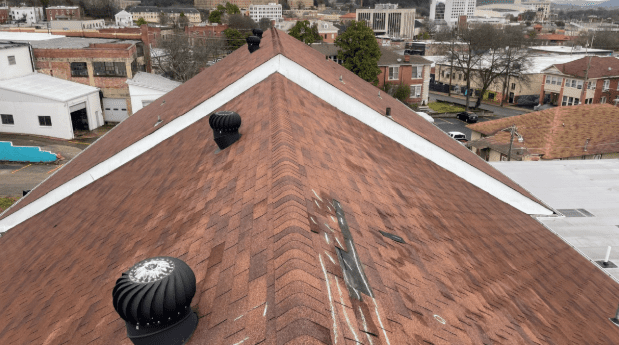
Discovering that your home has suffered roof damage after a major storm is inherently stressful. Whether it was a sudden hail event, high-velocity winds, or a fallen tree limb, the immediate aftermath often leaves homeowners feeling overwhelmed and uncertain. The roof insurance claim process can frequently feel like a complex maze of paperwork, confusing industry jargon, and rigid deadlines. However, it is important to remember that your insurance policy is a tool designed specifically to help restore your home’s safety and protect your greatest investment.
While the process may seem daunting, you do not have to navigate it alone. At C3 Construction, we guide you through every step of the insurance claim process, from the initial inspection all the way through final approval and installation. By understanding what to expect, you can move forward with confidence.
How C3 Construction Guides You Through the Process
One of the things that sets C3 Construction apart is that we treat the insurance claim as our responsibility, not yours. From the moment you reach out to us, here is how we help:
- We conduct an initial roof inspection to assess the damage and determine whether an insurance claim makes sense
- We help you file the claim over the phone with your insurance carrier, making sure the date of loss, description of the event, and all required information is accurately reported
- We coordinate and attend the adjuster appointment alongside you, walking the roof with the adjuster to make sure every area of damage is identified and documented
- We handle any supplementing that comes up once work begins, submitting additional documentation to your carrier for any hidden damage uncovered during the project
- We manage communication with your insurance company throughout the entire process so you are not left chasing answers on your own
To formally represent you throughout this process, C3 Construction will request a contingency agreement. This agreement authorizes us to work on your behalf with the insurance company, ensures we are aligned on the scope of work, and is also commonly required during the permitting process with the city.
The Initial Assessment: Spotting Damage Safely
The first phase of a roof damage insurance claim begins the moment the storm passes. While your instinct may be to grab a ladder and climb up to inspect the shingles, we strongly advise you to stay on the ground. Roofs can be structurally compromised or incredibly slippery after a storm.
How to Safely Spot Damage
You can perform a preliminary assessment from the safety of the lawn or sidewalk using a pair of binoculars. Look for the following red flags:
- Missing Shingles: Gaps in the uniform pattern of your roof.
- Granule Loss: If you see “bald spots” on your shingles or find piles of sand-like granules in your gutters and downspouts, this is a sign of hail impact.
- Dented Metal: Check your gutters, downspouts, and soft metal vents on the roof for dents.
- Interior Signs: Look at your ceilings and attic for water spots, yellowing, or active drips.
The Importance of Documentation
Immediate documentation is the foundation of a successful claim. While personal photos can help, the most effective first step is scheduling a professional roof inspection with C3 Construction. A trained eye can identify subtle damage that an untrained observer might miss, and we will help build a clear, documented narrative for your insurance company from the start.
Filing the Claim: Timelines and Requirements
Once you are certain there is damage, the next step is learning how to file a roof insurance claim. Speed is of the essence here. Most insurance policies have a specific window, often ranging from 365 days to as little as 60 days, depending on your provider and state, within which you must report a loss.
What Your Provider Will Require
When you call your insurance company’s claims department, they will assign you a claim number. Be prepared to provide:
- The date the damage occurred (the “Date of Loss”).
- A brief description of the weather event (e.g., “Hail storm with 1-inch stones”).
- Photos of the damage you captured during your initial assessment.
- Your policy number.
After filing, the insurance company will schedule a time for an independent or staff adjuster to visit your property. This leads directly to the most important step: professional representation to determine if you need minor repairs or a total residential roof replacement.
The Adjuster Meeting: Why Professional Advocacy Matters
The adjuster’s job is to inspect the roof and determine the “scope of work,” which is essentially what the insurance company is willing to pay for. While many adjusters are thorough, they are often handling dozens of claims in a single week following a major storm, and subtle damage like hail bruises or hairline cracks in the flashing can easily be overlooked.
Why You Need Your Contractor Present
It is absolutely critical to have a C3 Construction representative present during the official inspection. We act as your advocate. We do not just stand on the ground, we go up on the roof with the adjuster to ensure every square inch of damage is identified and documented in the initial report. When a contractor and adjuster walk the roof together, they can agree on “line items” in real time, which significantly reduces the likelihood of “forgotten” damages and ensures the estimate reflects the true cost of a proper restoration.
Insurance Claims vs. Retail Bids: Understanding the Difference
Unlike a standard repair or remodel, insurance claims work differently and it is important to understand that distinction. Rather than submitting a separate bid, we work directly off the insurance scope produced by your carrier following the adjuster inspection. Our goal is to keep the financial burden on the insurance company rather than on you, and we make sure the approved scope is accurate and complete. The final cost of your project is equal to the full value of the approved scope after any supplements, and our job is to make sure that number reflects everything your roof actually needs.
Supplementing & Approval: Handling Hidden Damage
It is a common misconception that the first check you receive from the insurance company is the final word. In reality, once the physical work begins, “hidden damage” is often uncovered. For example, once the old shingles are torn off, we may find that the wood decking underneath is rotted or that the flashing around a chimney is compromised in a way that wasn’t visible during the initial inspection.
How Supplementing Works
When this happens, we use a process called “supplementing.” We document the newly discovered damage with photos and descriptions and submit a supplemental invoice to your insurance carrier. Because we maintain stellar communication with adjusters, we are usually able to get these additional costs approved, so the integrity of your roof isn’t compromised for the sake of the original estimate. Our goal is to ensure the final result is a roof that meets or exceeds all current building codes and safety standards.
Your Partner in Restoration: C3 Construction
Navigating a roof damage insurance claim should not feel like a second job. At C3 Construction, we manage every insurance project from initial inspection to final installation. We are an award-winning local team based in Chicagoland, known for our commitment to quality and customer service. If your home has been affected by a recent storm, do not wait for a leak to tell you there is a problem. Reach out to C3 Construction today and let us provide the professional advocacy and expertise you need to get your home restored the right way.